

Blue Chip Farms has been part of Wallkill’s identity for more than half a century. Established in 1969, the nationally recognized horse farm has helped define the open landscape and agricultural character surrounding Hoagerburgh Road.
Now, a proposed development involving new homes, resort cottages, restaurants, recreation and a golf course could begin a significant new chapter for the property and the surrounding community.
A project of this size naturally raises questions. It also creates an opportunity to imagine what thoughtful development could contribute to Wallkill through new housing, employment, tourism, preserved open space and amenities that do not currently exist here.
Here is what the publicly available documents currently show, where the proposal may benefit Wallkill and which details still need to be worked through.
What Is Being Proposed at Blue Chip Farms?
According to the Town of Shawangunk’s publicly available environmental-scoping documents, the proposal involves the approximately 655-acre Blue Chip Farms property at 807 Hoagerburgh Road.
The concept described in the 2023 environmental scope included:
• 100 cottages or small dwellings operated as resort accommodations
• 59 one-acre single-family residential lots
• Nine two-acre single-family residential lots
• A 12-hole golf course
• A private clubhouse with a spa, gym, pool and restaurant
• A family and children’s activity center
• A terrace restaurant
• A golf clubhouse and café
• Tennis, paddleball and pickleball courts
• A welcome and arrival center
• Supporting water and wastewater infrastructure
• Continued Blue Chip Farms operations on part of the property
Altogether, the concept contemplated 68 privately sold residential lots and 100 resort cottages.
Approximately 383 acres were proposed to remain free from building development. That preserved area could include portions of the existing farm, natural features and the proposed golf course.
These numbers come from the environmental-scoping documents adopted in 2023. The proposal remains under review, and its final design may change as updated plans, engineering studies and public feedback are considered.
A Potential New Destination for Wallkill
One of the most exciting possibilities is the creation of a destination that could introduce more people to Wallkill.
Visitors already travel throughout the Hudson Valley for golf, farm-to-table dining, hiking, weddings, wineries, breweries and weekend retreats. A well-designed resort at Blue Chip Farms could give visitors another reason to spend time in our community while supporting surrounding restaurants, shops, farms and service businesses.
Instead of travelers simply passing through Wallkill on their way to New Paltz, Gardiner or other Hudson Valley destinations, this project could encourage more of them to stay, dine and spend locally.
The question is how successfully the development can connect with the existing Wallkill business community rather than operating as an isolated destination.
New Housing Without Maximum-Density Development
The proposal could also introduce 68 new single-family properties to the local housing supply.
Based on the original concept, these would include a combination of one-acre and two-acre lots rather than a dense subdivision of tightly packed homes. That approach may provide new housing while retaining more of the spacious character associated with this part of Wallkill.
More information is still needed about the anticipated home sizes, architectural styles and price ranges. Nevertheless, adding thoughtfully designed homes could create opportunities for new families and homeowners to become part of the community.
Jobs and Economic Opportunity
A development involving lodging, restaurants, golf, recreation, property maintenance and continued agricultural operations would require a wide range of workers.
Potential employment could include:
• Hospitality and guest services
• Restaurant and culinary positions
• Golf-course operations
• Landscaping and property maintenance
• Recreation and wellness services
• Administrative and management positions
• Construction and skilled trades
• Farm and equine-related work
The construction phase alone could support contractors, equipment operators, electricians, plumbers, carpenters and other local trades.
The long-term value will depend on how many permanent jobs are created, the wages they provide and whether local residents and businesses are given meaningful opportunities to participate.
Expanding Wallkill’s Tax Base
New homes, commercial facilities and hospitality operations could expand Wallkill’s tax base.
That matters because responsible growth can help distribute the cost of municipal services across more properties and economic activity. Additional sales, property and lodging-related revenue could potentially support roads, recreation, emergency services and other community needs.
As the proposal moves forward, residents should be given a straightforward explanation of the projected revenue, anticipated municipal costs and whether the developer is requesting any tax incentives.
The strongest version of this project would generate enough lasting economic activity to outweigh the additional services it requires.
Preserving Open Space
The original environmental scope proposed leaving approximately 383 acres free from building development.
For a property of this size, that creates the possibility of combining economic development with meaningful open-space preservation. The quality and permanence of that protection will be important.
Residents should eventually understand:
• Which areas would remain open
• Which land would be permanently protected
• How preserved areas would be maintained
• Whether wildlife corridors would remain intact
• Whether any trails or natural areas would be publicly accessible
The goal should be more than preserving acreage on paper. It should be creating a plan in which development, agriculture and the natural landscape can coexist.
Protecting the Shawangunk Grasslands
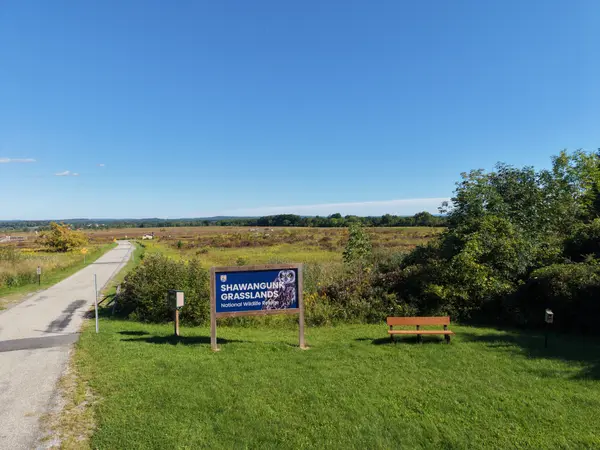
Blue Chip Farms is located beside the Shawangunk Grasslands National Wildlife Refuge, making environmental planning particularly important.
Recent project materials discuss methods for studying noise and potential visual effects on nearby homes, agricultural properties and the refuge. These studies can help identify problems early and allow the project to incorporate appropriate buffers, lighting controls, landscaping and other protections.
A development that treats the neighboring refuge as an asset worth protecting could strengthen the project’s identity while preserving something valuable to the entire region.
Could the Amenities Benefit Local Residents?
The proposal includes restaurants, recreational facilities and a 12-hole golf course. If some of those amenities are available to the public, they could add experiences that Wallkill residents currently travel elsewhere to find.
Important details remain:
• Would residents be able to dine at the restaurants?
• Would the golf course accept public tee times?
• Would recreational memberships be available locally?
• Could any trails or open spaces become publicly accessible?
• Could the property host community events?
Local access could help the development feel like part of Wallkill rather than a private resort simply located within it.
Planning for Water, Wastewater and Traffic
The project will still need to demonstrate that its infrastructure can support the proposed uses responsibly.
Questions concerning water supply, wastewater treatment and surrounding roads should not automatically be viewed as arguments against the development. They are part of designing a project that can succeed without creating avoidable problems for neighboring properties.
Residents should expect clear answers about water demand, well protection, wastewater oversight, traffic volumes, road safety and emergency-service needs.
Addressing these issues thoroughly now would protect both the community and the project’s long-term viability.
Maintaining Wallkill’s Character
Growth does not have to mean abandoning the qualities that make Wallkill special.
Architecture, landscaping, building placement, preserved views and appropriate setbacks could help the development fit the surrounding area. The equine history of Blue Chip Farms could also influence the project’s design and identity rather than being erased by it.
A thoughtful plan could preserve pieces of the farm’s history while creating something new around them.
That balance may ultimately determine how residents experience the project.
A Significant Opportunity That Deserves Thoughtful Review
The Blue Chip Farms proposal could bring new homes, employment, tourism, restaurants, recreation and an expanded tax base to Wallkill. It may also provide a way to preserve substantial open space while maintaining part of the property’s agricultural operation.
Those are meaningful potential benefits.
At the same time, supporting economic opportunity does not require overlooking legitimate questions. The best outcome will come from careful planning, transparent information and a willingness to improve the proposal as new studies and public feedback become available.
This should not be reduced to a simple argument between people who support growth and people who want to preserve Wallkill. The more productive question is:
How can Wallkill welcome an opportunity of this scale while ensuring that it becomes a lasting benefit to the community?
As the Blue Chip Farms proposal moves through the review process, I will continue following the publicly available information and explaining what it could mean for Wallkill homeowners, buyers and residents.
If you're considering buying or selling in the area, explore my Wallkill NY real estate page for current homes for sale, local market data and more information about the community.
What part of the proposal are you most excited about, and what question would you still like answered?
FROM OUR BLOG
Orange County NY Real Estate Market: Buyer’s Market in 2026?
If you've been following the Orange County, NY real estate market lately, you may have heard a new phrase starting to make the rounds: “It’s becoming a buyer’s market.” There is some data behind that conversation. Inventory across Orange County has increased, buyers have more homes to choose from, a
New Paltz Good Cause Eviction Law.
New Paltz Good Cause Eviction Law: What Landlords, Tenants and Buyers Need to Know in 2026 By Robert Brestovansky | Hudson Valley Home Base If you own a rental property in the Town of New Paltz, or you are thinking about buying one, there is a local change you should know about. The Town of New Palt
Wallkill NY Real Estate Market Update: July 2026
If you live in Wallkill, or you're thinking about buying a home here, you've probably heard a lot of conflicting things about the real estate market. Prices are up. Inventory is up. Interest rates are still affecting buyers. Some homes are selling quickly, while others are sitting. So what's actuall